Every Indian creator has been there. You wake up, open Instagram, and fifty creators are already posting Holi content while you're still figuring out what to make. Or Diwali rolls around and everyone around you has polished videos ready while you're still brainstorming. In India, festivals drive some of the highest content engagement of the entire year. Missing a trending moment isn't just a missed post. It shows up in your numbers for weeks after.
Brands put 40 to 60 percent of their annual influencer marketing budget into festival periods. YouTube search volumes spike three to ten times around major festivals. The creators who plan three weeks ahead capture that wave every time. The ones who scramble get what's left.
Why Festival Content Outperforms Everything Else
Three things make festival content work differently from regular posts.
Search volume spikes are real and predictable. YouTube searches for "Diwali decoration ideas," "Holi outfit ideas," "Eid recipes," and similar queries go five to ten times their normal volume in the two weeks before each festival. Creators with content ready at the right time capture that traffic automatically. Creators who publish after the festival peak get almost none of it.
Festival content also lands when audiences are already emotionally engaged. That emotional state drives sharing. WhatsApp forwards of festival content run eight to twelve times higher than non-festival content. One good Diwali video can travel further than ten regular posts.
And brands go into overdrive. Influencer marketing budgets jump 200 to 400 percent during major Indian festivals. Creators who are already publishing relevant content at the start of the festival window are the ones who get tagged in campaigns. Late publishers miss the budget entirely.
The Indian Festival Content Calendar 2026
Republic Day (26 Jan): Patriotic content, Indian achievements, proud to be Indian formats. High engagement across all demographics.
Valentine's Day (14 Feb): Gift guides, couple content, self-love content for solo creators. One of the strongest brand deal windows of Q1. Beauty, fashion, and lifestyle brands are very active here.
Gudi Padwa / Ugadi / Vishu (April): New year content for Maharashtra, Karnataka, and Kerala audiences. Regional creators have a real advantage here with almost no competition.
Baisakhi (13 April): Huge for Punjab-focused creators. Food, dance, and cultural content performs very well.
Raksha Bandhan (August): Gift guide content, sibling content, rakhi crafts. One of the strongest e-commerce festivals. The affiliate marketing opportunity here is significant.
Janmashtami (August): Religious and cultural content, dahi handi coverage, devotional content. Very high engagement in North and West India.
Navratri: Outfit content, garba, fasting recipes. Massive engagement.
Dussehra: Cultural content, regional celebrations, good versus evil themes.
Dhanteras and Diwali: The biggest content event on the Indian calendar. Start three weeks before. Gift guides, decoration, recipes, outfits, financial planning content like buying gold or investing, and personal reflections all perform exceptionally well.
Never Miss a Festival Moment: SocioMee's Festival Calendar
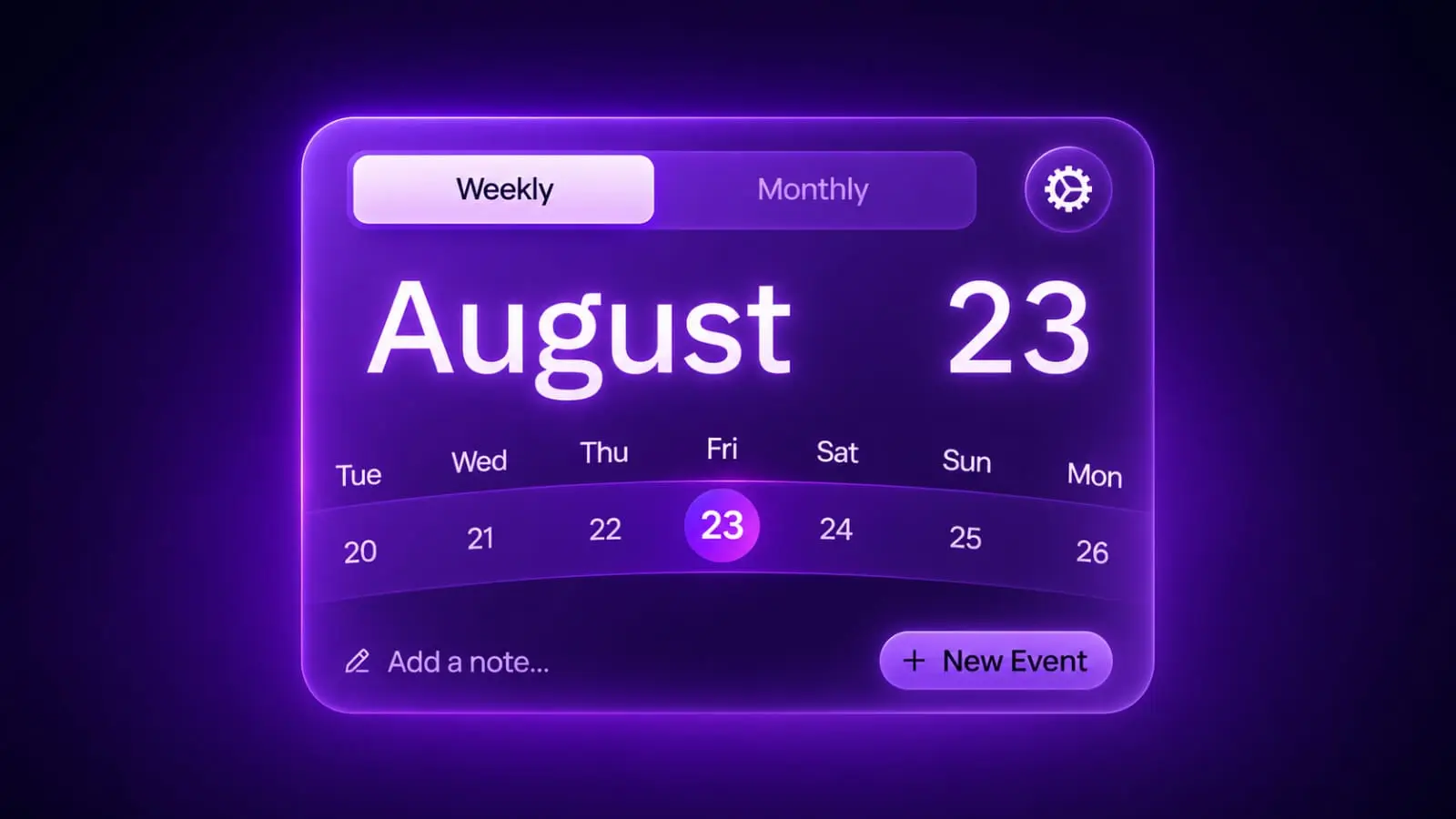
SocioMee's YouTube dashboard includes a built-in Festival Calendar that shows every upcoming Indian festival weeks in advance, with content ideas, trending topics, and the best time to start publishing for each occasion. No more scrambling. Every festival, planned properly.
Open Festival Calendar on SocioMeeHow SocioMee's Festival Calendar Works
The Festival Calendar inside SocioMee's YouTube dashboard does five things that matter.
It shows all major Indian festivals three months in advance, from national holidays to regional festivals across every state. You always know what's coming before it trends. For every upcoming festival, the dashboard generates content ideas tailored to your channel's niche. A finance creator gets Diwali investment content ideas. A fitness creator gets festival diet and workout ideas. A beauty creator gets festival makeup and skincare ideas.
It also shows the optimal publishing window for each festival. For Diwali, publishing 14 days before captures the planning audience. Publishing 3 days before captures the last-minute audience. The dashboard shows you both. It tracks what's actually trending on YouTube and Instagram around each festival so your content matches what people are genuinely searching for. And once you've planned your content, you can schedule it directly from the Festival Calendar view.
The 3-Week Festival Content Strategy
Publish content for people who plan ahead. "Your complete Diwali shopping guide," "How to plan your Dussehra celebrations," "Navratri outfit ideas for every budget." This captures early search traffic and puts you first in the minds of people who are just starting to think about the festival.
Week 2 Before the Festival:
Publish how-to and tutorial content. "How to make Diwali rangoli at home," "Navratri fasting recipes," "Dussehra decoration DIY." This gets forwarded heavily in family WhatsApp groups, which is where Indian content actually spreads.
Week 1 and Festival Day:
Personal, emotional, celebratory content. Your festival celebration, wishes to your audience, behind-the-scenes of how you celebrate. This gets the highest engagement because the emotional connection is at its peak right now.
Regional Festivals: The Untapped Opportunity
Most Indian creators only cover national festivals like Diwali and Holi. That means regional festivals are almost completely underserved and the creators who do cover them face virtually no competition for that audience.
Pongal for Tamil Nadu, Onam for Kerala, Bihu for Assam, Durga Puja for Bengal, Ganesh Chaturthi for Maharashtra and Karnataka. These festivals have massive loyal audiences and almost no dedicated creator content. A creator who consistently covers their regional festival builds traffic, engagement, and brand deals from that specific audience with essentially no one else competing for the same space.
SocioMee's Festival Calendar includes regional festivals across all Indian states, not just the national ones. That's the competitive edge if you're a regional language or regional culture creator.