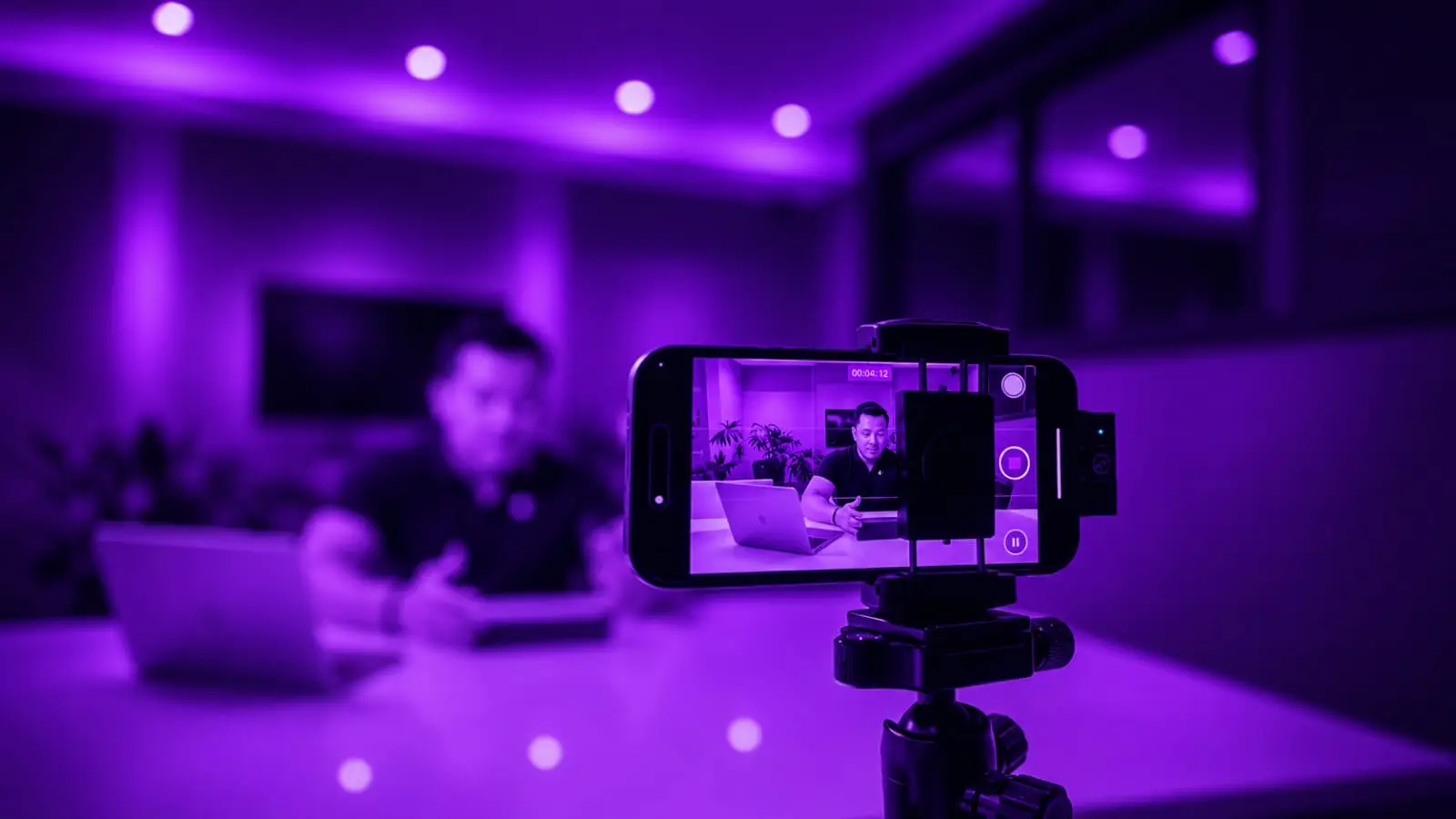
Most creators run out of ideas long before they run out of footage. Somewhere in old project folders sits hours of material that never made it into a final video, outtakes cut for pacing, behind-the-scenes moments filmed almost accidentally, half-finished ideas abandoned halfway through editing. None of it was planned as content on its own, which is exactly why it usually stays buried instead of getting used.
This backlog is worth treating as a real content source, not just wasted footage. Most of it requires far less effort to turn into something postable than starting an idea completely from scratch, since the raw material already exists. The mental block is rarely a lack of material, it is not recognising unused footage as a legitimate starting point rather than scraps left over from something else.
Outtakes Are Content, Not Just Deleted Scenes
The moments cut from a final video for pacing or tone, a genuine laugh, a mistake, an off-script tangent, often carry more personality than the polished final cut does. These clips work particularly well as short-form content specifically because their rough, unscripted feel fits the format's expectations better than a heavily edited main video would.
A simple habit here helps more than a big production effort: keeping a running folder of "cut but funny" or "cut but real" moments during every editing session, rather than deleting them immediately, turns editing itself into a source of future content instead of just a subtraction process. Over a few months, this folder alone can become a reliable backup source for weeks when a fresh idea genuinely is not coming together in time.
This is particularly useful during a genuine slump, when nothing new feels worth filming and pressure builds around an upload deadline. Reaching into a well-organised outtakes folder during exactly this kind of week turns what would otherwise be a missed upload or a rushed, low-effort video into something that took minimal new production time while still meeting a regular posting schedule.
Behind-the-Scenes Footage Has Its Own Audience
Setup shots, equipment checks, and the unfiltered moments before filming officially starts often go completely unused, yet audiences consistently respond well to seeing the process behind a finished video. This content requires zero additional filming, it already exists on a phone or camera from the session that produced the main video.
A short "how this video actually got made" post pulled from existing behind-the-scenes clips costs almost nothing beyond a quick edit, and it also does something a polished video cannot, it makes the creator feel more accessible and real to an audience that only otherwise sees the finished, edited version of them. This kind of content tends to perform particularly well precisely because it feels less produced, which stands out against an audience's feed full of polished uploads.
Half-Finished Ideas Deserve a Second Look
Every creator has a folder of footage for ideas that got abandoned partway through, whether due to a change in direction, lost motivation, or simply running out of time before a deadline. Revisiting this folder periodically, rather than letting it sit permanently unused, occasionally reveals that an idea was actually solid, it just needed a different format or a smaller scope than originally attempted.
A concept that felt too ambitious for a full long-form video sometimes works far better condensed into a thirty-second short, since the smaller format removes the pressure that made the original idea feel unfinishable in the first place. What killed the idea originally was often the scope, not the concept itself, and a smaller version can salvage genuinely good material that would otherwise stay abandoned indefinitely.
Build a System Instead of Relying on Memory
None of this works if the footage is impossible to find later, which is the actual reason most of this material stays permanently unused even when a creator vaguely remembers it exists. A simple folder structure, separating outtakes, behind-the-scenes clips, and abandoned ideas into clearly labelled folders as they happen, rather than trying to remember where something is buried months later, is the difference between this becoming a genuine content source and remaining a vague, unusable pile of files.
This does not need to be elaborate. Even basic date-and-type labelling, done consistently at the time of filming or editing rather than retroactively, makes the difference between footage that gets used months later and footage that stays forgotten simply because finding it again feels like too much effort.
Go through the last month's raw footage folders, not just what made it into published videos.
Pull out anything genuinely funny, real, or unscripted that got cut for pacing reasons.
Revisit one abandoned idea and ask whether a smaller, shorter version could actually work now.
Turn One Piece of Footage Into Content for Every Platform
A single behind-the-scenes clip or outtake can become a caption, a script, and posts across multiple platforms without needing new footage each time. SocioMee generates your content for 12 platforms from one topic in 30 seconds, making it easy to get real mileage out of footage that would otherwise sit unused.
Start Free Today